
Answering Machine
The plastic little gatekeeper that recorded your missed calls, your relatives, and occasionally your family drama.
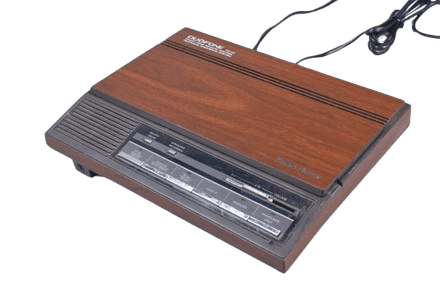
The answering machine was the tiny plastic bouncer sitting next to your house phone, deciding which calls got through and which ones got immortalized on tape. It gave every family one outgoing message, one blinking red light, and one more excuse to eavesdrop from the kitchen.
By the 1980s and 1990s, these little boxes turned missed calls into domestic theater: cousins yelling, telemarketers rambling, and somebody always forgetting to hang up. Then voicemail and cell phones took over, and the countertop gatekeeper got sent into well-earned retirement.
Quick Bits
What It Was
An answering machine was a home phone sidekick that answered calls after a few rings and recorded whatever the caller had to say. It turned missed calls into little audio time capsules, which was great unless the message was just someone breathing and hanging up.
Why It Mattered
It gave households a way to catch messages without being physically attached to the phone at all times, which felt incredibly civilized. It also introduced the art of screening calls by listening from the next room like a tiny domestic spy.
Why It Disappeared
Network voicemail and mobile phones made standalone recording boxes feel redundant fast, especially once messages lived with the phone number instead of the kitchen counter.
Still, the answering machine remains iconic because no modern voicemail system has matched the raw personality of a handmade family greeting and a tape hiss intro.
Why It Feels So Uniquely Domestic
The answering machine belonged to a period when family communication was centralized, public, and slightly chaotic. One shared phone line, one shared outgoing message, and a tiny machine acting as the household receptionist.
That setup gave it a weird amount of personality. Missed calls did not just go to voicemail. They went through the culture of your kitchen counter first.
Archive Note
Each archive page is an original editorial summary built to give quick historical context, why the tech mattered, and why it fell out of the spotlight. The tone is intentionally cheeky, but the goal is still to be clear, useful, and grounded in the real product story.
This is not an academic paper, collector price guide, or exhaustive spec sheet. It is a concise archive entry meant to make old tech legible, memorable, and easy to browse without sanding off all the personality.
If you spot something off or want to nominate a better forgotten gadget for the archive, head over to the contact page and say so.
More From This Lane
A few neighboring relics chosen by lane, era, and how they got replaced.